
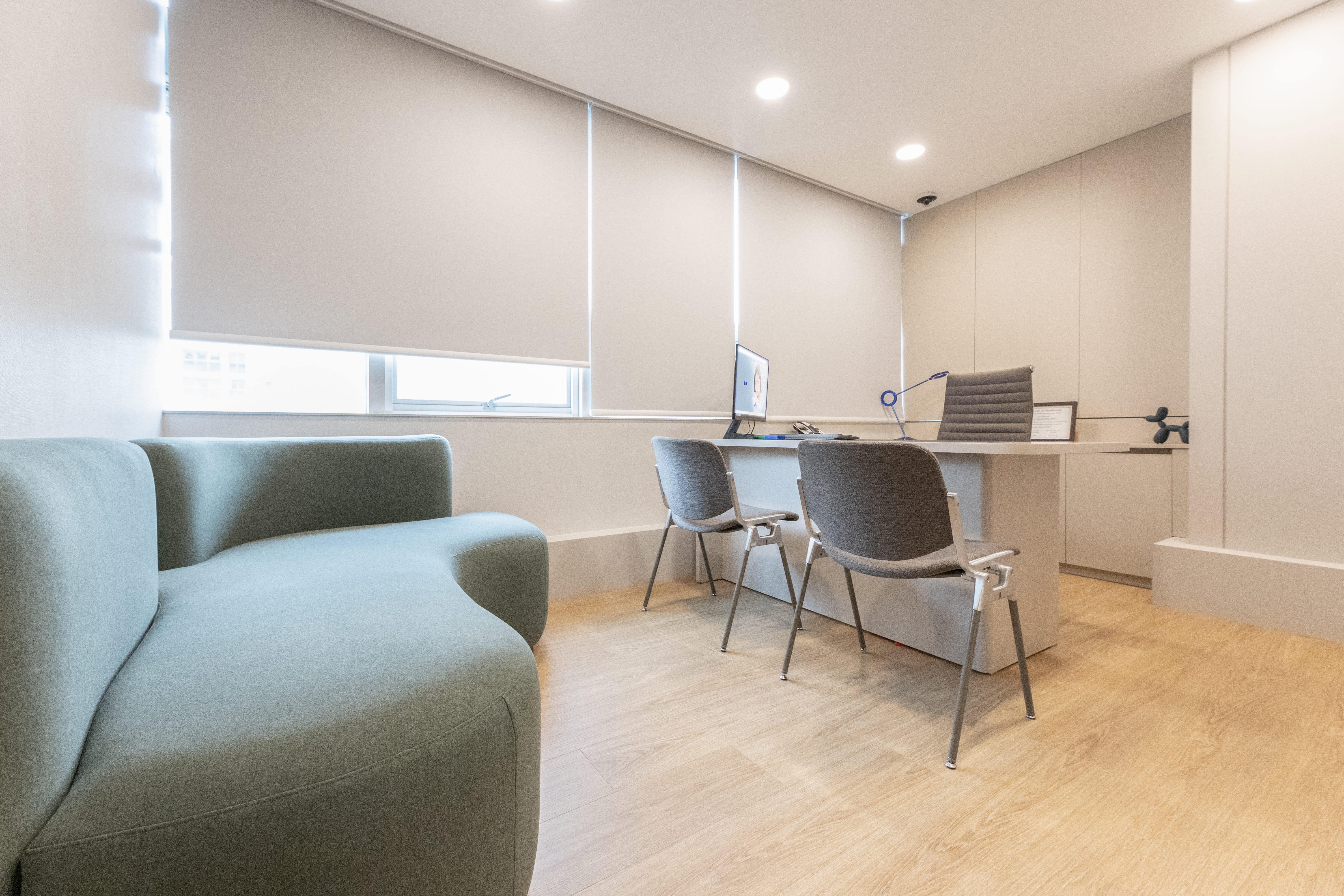
Boutique Plastic Surgery Clinic In Seoul For Brow Lift: Planning Your Consultation
A brow lift consultation is an opportunity to discuss changes around the forehead and eyebrows and understand which concerns surgery may address. At Willbe Plastic Surgery, endoscopic forehead lifting is among the available lifting procedures. Our director, Dr. Kim Jun-young, consults with patients and performs surgery. Before arranging treatment, it is useful to consider what bothers you, how long you have noticed it, and what you hope will change. A clear discussion of your goals is more useful than arriving with a fixed idea of the procedure you need.
Identify the changes you want to discuss
Some people seek a consultation because their eyebrows appear lower than before or because the area above their eyes feels heavier. Others are concerned about forehead lines or differences between the two sides of the face. Write down the changes you notice and whether they affect your appearance, comfort, or daily activities. If the concern is mainly around the eyelids, mention that too. The position of the brows and the condition of the eyelids are related, but they are not the same issue.
Try to describe your concern in your own words rather than choosing a treatment name in advance. For example, you might explain that you raise your eyebrows frequently, notice a change in how your upper eyelids look, or feel that one brow sits differently from the other. Tell the attending doctor when you first noticed the change and whether it has progressed. If you experience symptoms such as visual disturbance, eye discomfort, or headaches, describe them rather than assuming that a brow lift is the answer. A consultation can help distinguish a cosmetic concern from a symptom that may need separate medical evaluation. Your priorities matter, but the appropriate approach depends on an examination and a discussion of your medical history.
A useful consultation starts with a specific description of what you notice, not a predetermined request for surgery. Brow position, forehead movement, and the appearance of the eyelids should be considered in context.
Bring your medical and surgical history
Prepare a list of your current medications, supplements, allergies, and relevant health conditions. Include nonprescription products as well as prescribed medicines, since some can affect bleeding or anesthesia planning. If you have had surgery or injectable treatment around the forehead, brows, or eyes, tell the attending doctor what was done and when. Previous procedures can influence the assessment and the options discussed. Bring available records if you have them, but do not delay a conversation simply because you do not have every detail.
Previous eye surgery deserves particular attention during a consultation about the upper face. At Willbe Plastic Surgery, eye revision surgery is also offered, and Dr. Kim Jun-young considers problems from previous eye procedures when planning revision treatment. Prior surgery can alter tissue and affect how a new procedure is planned. Explain any previous healing difficulties, scarring, or changes in sensation, even if they seem unrelated to your current concern. If you take a medicine that another clinician prescribed, do not stop it on your own. Ask the attending doctor how to coordinate any proposed changes with the prescribing clinician. An accurate history gives the medical staff a better basis for discussing safety and setting an individualized plan.
Prepare questions about the proposed approach
Ask how the recommended procedure relates to the changes you want to address. A useful discussion may cover where incisions would be placed, what type of anesthesia is planned, and what the expected recovery involves. You can also ask which aspects of your appearance the procedure is intended to change and which may remain unchanged. If the recommendation differs from what you expected, request an explanation before making a decision. Understanding the reasoning behind a plan is part of informed consent.
Willbe Plastic Surgery offers endoscopic forehead lifting as well as other lifting procedures. An available procedure is not automatically the right procedure for every patient. Ask whether your concern is better assessed as a forehead, brow, eyelid, or combined issue. If more than one approach is discussed, ask how the goals, incisions, recovery, and potential risks differ. You should also feel comfortable asking what happens if you decide not to proceed.
| Consultation topic | What to discuss |
|---|---|
| Your goals | Changes in brow position, forehead appearance, or the area around the eyes |
| Medical history | Health conditions, allergies, medications, and supplements |
| Previous procedures | Prior surgery or injectable treatment around the upper face |
| Proposed treatment | Incisions, anesthesia, recovery, and potential risks |
Use these topics as a starting point, not as a substitute for a medical assessment. You may want to bring written notes so that questions are easy to remember during the consultation. If you have photographs that show the change you are concerned about, you can ask whether sharing them would be useful. Leave room to discuss the attending doctor’s findings and recommendations. The aim is to understand the proposed plan well enough to make a considered decision without feeling rushed.
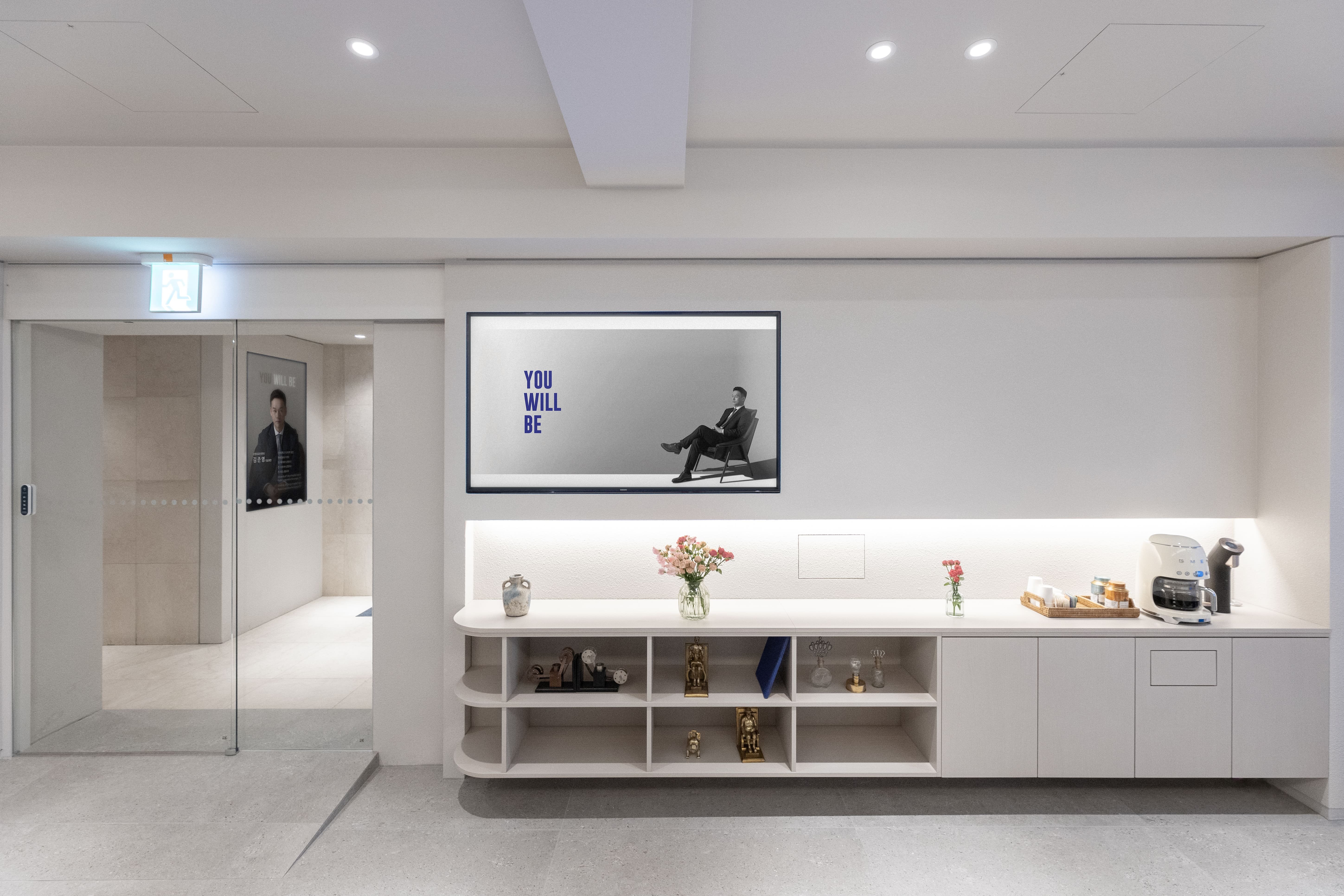
Boutique Plastic Surgery Clinic In Seoul For Brow Lift: Understanding Your Options
A brow lift generally aims to adjust the position of the brows and address selected concerns in the forehead area. The details depend on the technique and the individual. Willbe Plastic Surgery offers endoscopic forehead lifting, an approach that uses an endoscope to help the surgeon view the treatment area. During consultation, ask how the technique would be applied in your case. The discussion should also cover the limits of treatment, because a forehead lift does not address every concern involving the eyes or face.
How an endoscopic forehead lift is discussed
An endoscope is a small viewing instrument used during surgery. In an endoscopic forehead lift, it helps the surgeon see beneath the tissues while working through incisions. The planned incision locations and surgical steps depend on the individual assessment. Ask the attending doctor to explain the proposed approach in plain language, including where scars may be located and what changes are intended. It is also reasonable to ask how the plan accounts for your hairline, brow shape, and existing facial asymmetry.
The consultation should make clear that the goal is not simply to move the brows upward. Brow shape, facial proportions, forehead movement, and personal preference all matter when discussing a suitable plan. If you prefer a subtle change, say so; if there is a particular feature you want to preserve, explain that as well. The attending doctor can discuss what is achievable and whether the expected change aligns with your priorities. Surgical planning is individualized, and no particular appearance or result can be promised. Ask about the likely course of healing, the possibility of visible scars, and how changes may take time to become apparent depending on your condition. This gives you a more useful picture than relying on a procedure name alone.
Endoscopic forehead lifting is one approach to concerns involving the brow and forehead. The important question is whether its intended changes match your individual needs and expectations.
Consider the relationship between brows and eyelids
The eyebrows, forehead, and upper eyelids contribute to the appearance of the upper face. A lower brow can affect how the area above the eye looks, while changes in the eyelid itself may call for a different assessment. If you are unsure which area is responsible for your concern, describe what you see and let the attending doctor examine you. Avoid assuming that an eyelid procedure and a brow lift are interchangeable: they target different structures and can involve different considerations.
Willbe Plastic Surgery also offers eye plastic surgery, including incision-based eye surgery, natural adhesion double-eyelid surgery, and eye revision surgery. These services are distinct from endoscopic forehead lifting. If you have had an earlier eye procedure, explain what was done and what concerns remain. Eye revision can be complex when previous surgery has left less tissue available, so the history of that operation is relevant to planning. You can ask whether your current concern is primarily related to the brow, the eyelid, or both, and whether any additional assessment is appropriate. The attending doctor can then explain the options without assuming that a combined procedure is necessary.
Points to consider before treatment
Like other operations, a brow lift carries risks. Possible issues include bleeding, infection, scarring, changes in sensation, asymmetry, and an outcome that differs from what you expected. The specific risks depend on the technique and your health. Ask the attending doctor which concerns are most relevant to you, how complications would be managed, and when you should seek medical attention. Understanding potential risks is an essential part of deciding whether to proceed.
Recovery also requires planning. Swelling and bruising can occur after surgery, and the appearance of the treated area may change as healing progresses. The attending doctor can explain what to expect in your case and when a follow-up assessment is needed. If you have a history of delayed healing, reactions to anesthesia, or difficulty following recovery instructions, raise these issues before scheduling treatment. These details help make the discussion more specific to your circumstances.
| Service at Willbe Plastic Surgery | Area of focus |
|---|---|
| Endoscopic forehead lifting | Forehead and brow area |
| Eye plastic surgery | Eyelid and eye-area concerns |
| Eye revision surgery | Concerns following previous eye surgery |
| Facelift and mini facelift | Facial lifting |
| Thread lifting | Lifting using threads |
These services address different concerns and should not be treated as equivalent alternatives. Ask the attending doctor why a particular procedure is being recommended and what it is intended to change. If the discussion includes more than one treatment, ask whether each is necessary to address your stated goals. You can also ask how the recovery requirements differ. A clear explanation can help you decide whether the proposed treatment fits your priorities and circumstances.
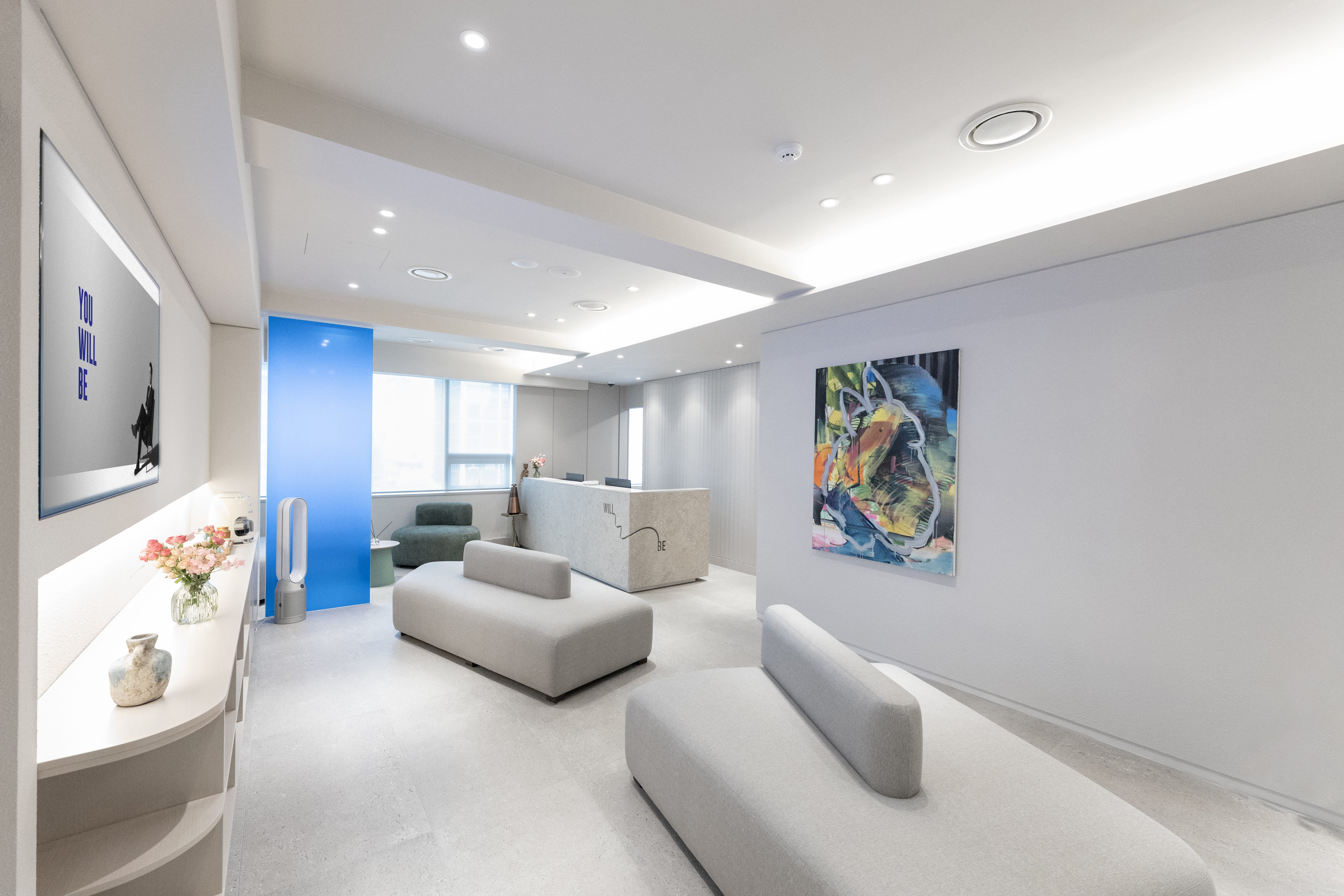
Boutique Plastic Surgery Clinic In Seoul For Brow Lift: Preparing for Surgery and Recovery
If you decide to proceed after consultation, preparation turns toward your health, travel arrangements, and time for recovery. The attending doctor’s instructions should guide decisions about medications, eating and drinking before anesthesia, and postoperative care. Do not make changes to prescribed medication without discussing them with the appropriate clinician. It is also sensible to plan for assistance and a flexible schedule, particularly if you are visiting Seoul from elsewhere. The exact arrangements depend on the procedure and anesthesia plan.
Follow an individualized preoperative plan
Review your medication and supplement list with the medical staff before surgery. Some products may need special consideration because of their effects on bleeding or interactions with anesthesia, but instructions must be tailored to your health. Tell the attending doctor about any new illness or change in your condition before the procedure. If you smoke, discuss this during consultation, as smoking can interfere with healing. Ask when you should receive the preoperative instructions and whom to contact if you have a question.
Make sure you understand any instructions about food, fluids, skincare, and arrival arrangements before the day of surgery. The appropriate instructions can depend on the anesthesia and your medical history, so avoid following a generic checklist in place of the plan given to you. If a prescribed medicine is involved, ask whether the prescribing clinician should be consulted before any change. It can also help to confirm what to wear, what to bring, and whether someone should accompany you. If you are traveling, allow time for the consultation and any recommended follow-up rather than arranging a tight return schedule. Clear instructions are especially important when travel or other commitments limit your flexibility.
Good preparation is individualized: review your health history, follow the instructions given for your procedure, and plan enough flexibility for recovery. Ask questions before surgery if any part of the plan is unclear.
Make a practical recovery plan
Before surgery, consider where you will rest and who can help with transportation or daily tasks if needed. Ask the attending doctor when you may resume work, exercise, and other activities, rather than relying on another person’s recovery timeline. If you are staying away from home, consider how you will attend follow-up visits and obtain help if a concern arises. Keep the clinic’s contact details accessible and understand the postoperative instructions before leaving the clinic.
Recovery needs can change as healing progresses. Ask what degree of swelling, bruising, discomfort, or altered sensation is expected and which changes require prompt attention. The medical staff can also explain how to care for incisions, whether dressings are needed, and when washing your hair is appropriate for your procedure. Seek urgent medical attention for concerning symptoms such as significant bleeding, difficulty breathing, or sudden changes in vision. For less urgent questions, use the contact arrangements discussed with our clinic. Following the specific postoperative plan is more useful than comparing your healing with someone else’s experience. Changes may take time depending on your individual condition, and follow-up visits give the attending doctor an opportunity to assess healing.
Discuss costs, scheduling, and follow-up
Before committing to treatment, ask for an explanation of the cost of the proposed procedure and what it includes. You can ask whether anesthesia, postoperative visits, and any prescribed care are included in the quoted amount. The appropriate plan and cost depend on the individual case, so discuss these details with our clinic before scheduling. If more than one procedure is proposed, request a clear explanation of each component and its purpose.
Scheduling should account for consultation, the procedure, and the follow-up recommended by the attending doctor. If you are traveling to Seoul, share your intended travel dates and ask how they fit with the proposed care plan. You may also want to discuss arrangements for communicating with the clinic after you return home. Avoid making an irreversible travel commitment until you understand the recommended timing and what support you may need during recovery.
A well-prepared visit leaves space for questions as well as decisions. Bring your medical information, explain your priorities, and ask for clarification whenever a recommendation is unfamiliar. At Willbe Plastic Surgery, the consultation is an opportunity to discuss endoscopic forehead lifting in the context of your individual concerns. Whether you choose treatment or decide to wait, understanding the proposed approach, its risks, and its practical requirements is the foundation of an informed choice.




Frequently Asked Questions
Q.What does Willbe Plastic Surgery offer for brow concerns?
A.Willbe Plastic Surgery offers endoscopic forehead lifting as part of its plastic surgery services. Our director, Dr. Kim Jun-young, consults with patients and performs surgery.
Q.Who might consider a brow lift consultation?
A.A consultation may be useful for someone concerned about brow position or changes in the forehead and upper-eye area. An individual assessment can help clarify whether a forehead lift addresses those concerns.
Q.How is a forehead lift different from eye surgery?
A.Endoscopic forehead lifting addresses the forehead and brow area, while eye surgery focuses on the eyelids and eye area. Willbe Plastic Surgery also offers eye revision surgery for concerns following a previous eye procedure.
Q.What should I prepare before a consultation?
A.Bring a list of medications, supplements, allergies, relevant health conditions, and previous procedures. Note the changes you want to discuss and any questions about treatment and recovery.
Q.Where is Willbe Plastic Surgery, and how can I contact the clinic?
A.Willbe Plastic Surgery is at 5F, Mihye Building, 590 Gangnam-daero, Gangnam-gu, Seoul, Republic of Korea. You can call +82 2-517-7700 to inquire about a consultation.
Clinic Information
| Clinic | Willbe Plastic Surgery |
|---|---|
| Specialty | Plastic Surgery |
| Address | 5F, Mihye Building, 590 Gangnam-daero, Gangnam-gu, Seoul, Republic of Korea |
| Phone | +82 2-517-7700 |
| Website | https://www.willbeps.com/eng |
| Specialist | Specialist care |
 Willbe Plastic Surgery