

Best Plastic Surgery Clinic In Seoul For Natural Looking Rhinoplasty: Comparing Approaches
When comparing rhinoplasty options, start with the changes you want rather than assuming that one technique suits every nose. Willbe Plastic Surgery offers implant and non-implant rhinoplasty, giving patients two approaches to discuss with the medical staff. Each has different considerations regarding materials, surgical planning and follow-up. A natural-looking result is a matter of proportion and individual preference, not a single standard nose shape. A consultation helps clarify what can reasonably be achieved in light of your anatomy and medical history.
What a natural-looking result means
A natural-looking nose generally fits comfortably with the surrounding facial features rather than drawing attention to one isolated change. For one person, that may mean a subtle adjustment to the bridge; for another, it may involve discussing the shape or position of the nasal tip. These preferences are individual. During consultation, describe the features you would like to change and those you want to retain. That distinction gives the attending doctor a clearer starting point for discussing a surgical plan.
Photographs can help communicate your preferences, but they are most useful as conversation tools rather than as templates. A photograph cannot show everything that matters to planning, including the structure beneath the skin, the condition of the tissue or the effects of any previous surgery. Facial proportions also differ from person to person, so a feature that appeals to you on someone else may need a different approach to suit your face. Ask the attending doctor to explain how your anatomy affects the options under consideration. It is also reasonable to discuss limits: which changes are feasible, which may be less predictable and whether a particular request could alter the character you want to preserve. A clear discussion should cover the appearance from the front and side, as well as any concerns about breathing. Cosmetic changes and breathing concerns require careful assessment; one does not automatically resolve the other.
A useful rhinoplasty consultation starts with your own features and priorities. Implant and non-implant options should be assessed against your anatomy, not chosen solely because of a photograph or a trend.
Rhinoplasty with an implant
Implant rhinoplasty uses an implanted material as part of the surgical plan. Depending on the individual and the proposed technique, an implant may be discussed when a patient wants a change in nasal contour or support. The attending doctor can explain the proposed material, where it would be placed and why it is being considered. An implant is not automatically the right choice for every patient seeking a defined nasal shape. Suitability depends on the examination and the goals discussed.
When comparing an implant approach with other options, ask what the proposed material contributes to the planned result and whether any other tissue or technique would also be involved. It is important to understand the possible risks associated with an implant, including infection, movement or visibility of the material, as well as circumstances in which further treatment might be needed. These are considerations to discuss, not predictions that a complication will occur. Ask how the medical staff assess the condition of your skin and existing nasal structure, and what follow-up would involve. If you have undergone previous nasal surgery, bring that history into the discussion because existing materials and tissue changes can affect planning. Finally, ask what the intended appearance is at each stage of healing. The early postoperative appearance should not be treated as the settled outcome, since swelling can take time to resolve.
Rhinoplasty without an implant
Non-implant rhinoplasty is another option offered at Willbe Plastic Surgery. Rather than assuming what a particular plan includes, ask the attending doctor which materials and techniques would be used in your case. Non-implant describes the absence of an implant in the proposed approach; it does not by itself explain every step of the operation. The discussion should address the intended changes, available support and whether the approach is appropriate for your nasal structure.
A non-implant approach is not necessarily interchangeable with an implant procedure. The choice depends on the kind of change requested and the tissue available to support it. Ask how the proposed plan would address your priorities and what limitations the doctor anticipates. If tissue is to be used as part of the operation, discuss where it would come from and whether that choice introduces an additional area of healing. The medical staff can explain the plan before you decide.
| Discussion point | What to ask |
|---|---|
| Materials | What material or tissue is included in the proposed plan? |
| Appearance | Which features will be changed, and which will be preserved? |
| Risks | What complications are relevant to the proposed approach? |
| Recovery | What follow-up and activity restrictions should I expect? |
Use these questions to compare the approaches on the same terms. Rather than focusing only on whether an implant is used, consider the full plan: your objectives, the proposed materials, potential risks and the support needed during recovery. Ask for clarification whenever a term is unfamiliar. A well-informed decision rests on understanding what is planned for your own nose, not on assuming that a procedure name describes the same operation for every patient.
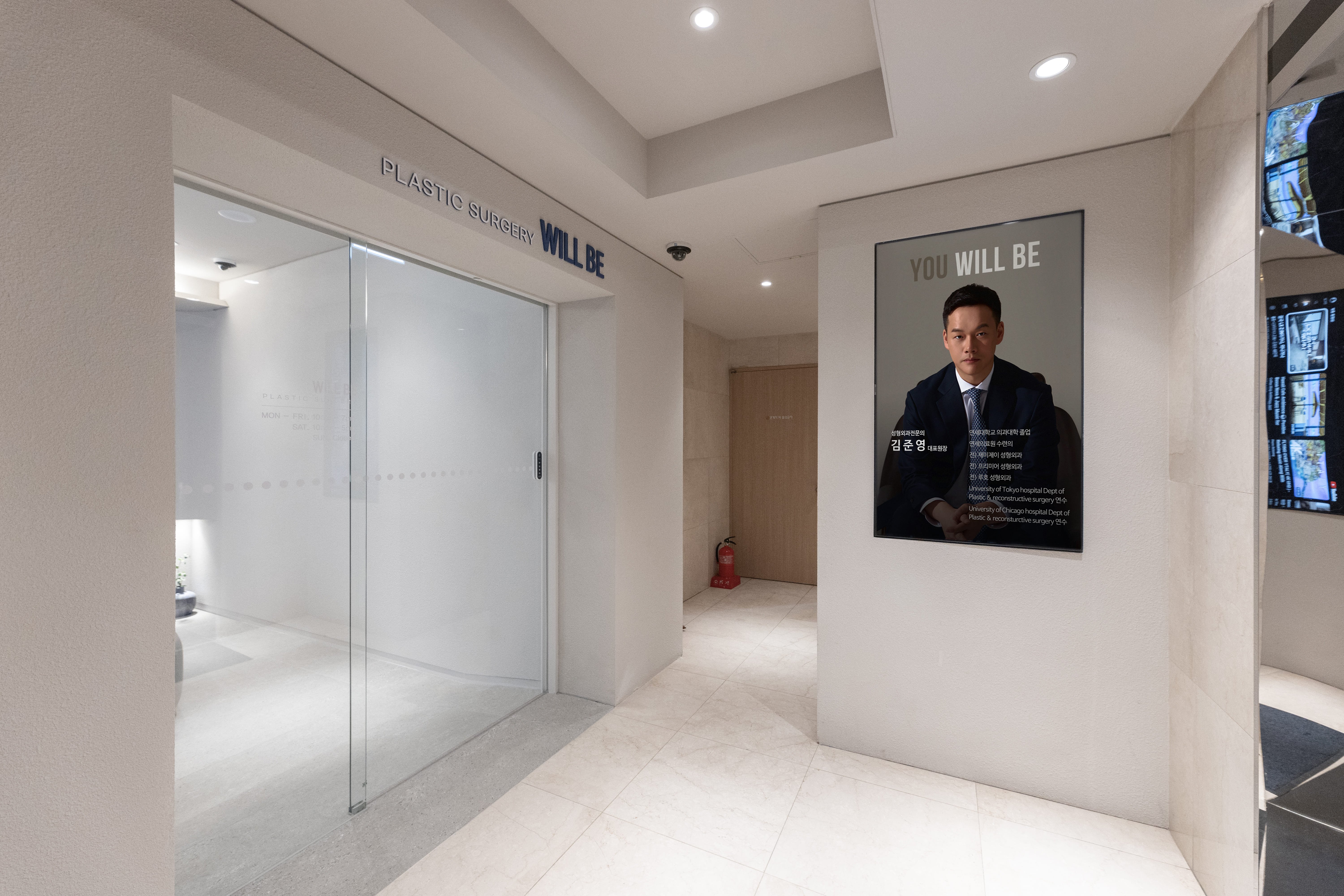
Best Plastic Surgery Clinic In Seoul For Natural Looking Rhinoplasty: Planning Your Consultation
A consultation is the time to explain both your aesthetic preferences and your medical history. Willbe Plastic Surgery can discuss implant and non-implant rhinoplasty in the context of your individual needs. Prepare by identifying the changes that matter most to you and any concerns you have about breathing, healing or previous nasal treatment. Honest, detailed information helps the attending doctor assess the options and explain the proposed plan. It also helps you decide whether you understand and are comfortable with that plan.
Describe your goals clearly
Try to describe your goals in practical terms: for example, whether you want a change to the bridge, tip or overall balance of the nose. You can also explain what you do not want changed. This is more useful than relying on the phrase “natural-looking” alone, because different people use it to mean different things. If you bring photographs, point out the specific features you like and ask whether those features are appropriate for your anatomy.
It can help to rank your priorities before the appointment. A patient may care most about a subtle profile change, while another may be more concerned with how the nose looks from the front. Discuss both views and ask whether pursuing one change affects another. If breathing is a concern, describe when you notice it and whether you have received previous treatment. The attending doctor can then assess how that concern relates to the proposed operation and what further discussion is needed. Aesthetic preferences and functional concerns should both be raised before surgery. Be open to an explanation that a requested change may have anatomical limits or require a different approach from the one you initially imagined. The purpose of planning is to identify an appropriate option, not to promise that a particular reference image can be reproduced.
The most productive consultation connects your visual goals with an examination and a clear surgical explanation. Be specific about what you want to change, and mention breathing concerns or prior procedures at the outset.
Share your medical and surgical history
Tell the medical staff about previous nasal operations, injuries or treatments, including any implanted materials if you know the details. Share relevant medical conditions, allergies and current medicines or supplements. This information can affect how an operation is planned and how the team advises you about preparation and recovery. If you have records from an earlier procedure, bringing them can help explain what was done, although the attending doctor will still need to assess your current condition.
Previous surgery can change the tissue and structure that the attending doctor needs to evaluate. For that reason, someone considering a further nasal procedure should explain what occurred previously, what concerns remain and whether any complications arose. Do not assume that an earlier technique can simply be repeated or reversed; the appropriate plan depends on the present examination. If you are unsure about the material used in a previous operation, say so rather than guessing. The same principle applies to your health history: accurate information about medicines, allergies and conditions is more useful than an incomplete account. Ask whether you should obtain relevant records and what preparation the clinic recommends for your situation. Do not stop prescribed medication without guidance from the clinician responsible for it. Any changes to medication or supplements should be discussed with the appropriate medical staff.
Understand the proposed plan
Before deciding, ask the attending doctor to describe the intended approach in plain language. The explanation should cover the features being addressed, the materials or tissue involved, the type of anesthesia proposed and the expected recovery process. Ask how the plan relates to your stated goals and what alternatives are worth considering. If more than one approach is suitable, request a comparison of the relevant benefits, limitations and risks rather than choosing by procedure name alone.
It is also reasonable to ask who will perform the operation and who will be available for postoperative care. Discuss what follow-up involves and how concerns are handled during healing. Understanding the practical details helps you plan for time away from usual activities and arrange support if needed. You should have an opportunity to ask further questions before consenting. A considered decision includes understanding both the expected changes and the possibility that the outcome may differ from what you envisioned.
Cost is another part of informed planning. Ask for an explanation of the charges associated with the proposed procedure and whether anesthesia, follow-up care or any other relevant services are included. Discuss how additional care would be handled if it became necessary. The appropriate plan and its cost depend on the individual assessment, so it is more useful to review a specific proposal than to compare procedures on price alone.

Best Plastic Surgery Clinic In Seoul For Natural Looking Rhinoplasty: Recovery and Ongoing Care
Recovery is part of the rhinoplasty decision, not an afterthought. Swelling and bruising can occur after surgery, and the appearance of the nose can change as healing progresses. Changes may take time depending on individual condition, the procedure performed and the healing process. Before surgery, ask the medical staff for instructions tailored to your plan, including how to care for the surgical area, when to return for review and when normal activities can be resumed.
Preparing for the recovery period
Discuss your work, exercise and travel plans before scheduling surgery. The attending doctor can explain what restrictions apply to your procedure and when you should be assessed again. Depending on the operation and anesthesia, you may need someone to accompany you after treatment or help during the early recovery period. Arrange any recommended assistance in advance, and make sure you know how to contact the clinic if a concern arises.
Follow the instructions given for medication, wound care and protecting the nose. Avoid adding products or changing your care routine without checking whether they are appropriate. Ask when you may wash your face, wear glasses, exercise or return to activities that could put pressure on the nose; the answers depend on the surgical plan and your progress. Keep scheduled follow-up appointments so the medical staff can assess healing and respond to questions. It is useful to distinguish expected postoperative changes from symptoms that need prompt attention. Before leaving the clinic, ask what level of bleeding, pain or swelling should prompt a call and what to do outside routine contact times. Seek urgent medical attention for severe symptoms such as difficulty breathing, uncontrolled bleeding or rapidly worsening pain. Individual instructions from the attending doctor should guide your care.
Healing needs its own plan, including practical support, follow-up and clear instructions for concerns. Early swelling can obscure the developing result, so assess progress with the medical staff rather than judging the outcome immediately.
Points to consider before treatment
Rhinoplasty is surgery, and every approach has potential risks. Depending on the procedure, these can include bleeding, infection, scarring, changes in sensation, asymmetry or an outcome that does not meet expectations. Implant-related concerns should be discussed when an implant is part of the plan. Ask the attending doctor which risks are most relevant to your circumstances, how complications are managed and when additional treatment might be considered. A discussion of benefits should be balanced by an understanding of these possibilities.
It is equally important to understand that facial symmetry is not exact and that healing differs between individuals. The appearance immediately after surgery can be affected by swelling, while the longer-term result depends on how the tissues heal. Ask what changes the doctor expects to see during recovery and when the result can be assessed meaningfully. If you have concerns, raise them during follow-up rather than trying to correct or manipulate the nose yourself. Revision surgery is a separate decision that requires assessment of the original procedure, current tissue and the reason for considering another operation. It should not be assumed to be simple or necessary because of an early appearance. Informed consent means understanding the proposed benefits alongside the limits, risks and alternatives. Take the time you need to consider the explanation and ask for clarification.
Choosing an approach with confidence
The choice between implant and non-implant rhinoplasty should follow a discussion of your anatomy and goals. Ask how each relevant option would address the changes you want, what materials are involved and what recovery would require. Consider whether the explanation is clear and whether you have had enough opportunity to ask questions. A decision is more useful when it reflects your priorities and an individual assessment rather than a general preference for a procedure label.
Willbe Plastic Surgery also offers eye surgery, lifting procedures and other cosmetic services. These services are separate from rhinoplasty and should be discussed on their own merits if they are relevant to your interests. For a nose surgery consultation, keep the focus on your nasal concerns, prior treatment and the specific plan being proposed. If you are considering more than one procedure, ask how the plans would interact and what that would mean for preparation and recovery.
Before moving forward, review the proposed procedure, materials, risks, recovery instructions and costs with the medical staff. Make a note of any remaining questions and ask for an explanation you understand. The aim is a plan grounded in your individual features and preferences, with realistic expectations about both the intended appearance and the healing process. You can take time to consider the information before deciding whether to proceed.




Frequently Asked Questions
Q.What does Willbe Plastic Surgery offer for rhinoplasty?
A.Willbe Plastic Surgery offers rhinoplasty with implants and rhinoplasty without implants. The appropriate approach depends on an individual assessment and discussion of your goals.
Q.Who might consider a rhinoplasty consultation?
A.A consultation may be useful for someone who wants to discuss the appearance of the nose or has questions about a previous nasal procedure. Mention any breathing concerns as well as the changes you want to explore.
Q.How do the implant and non-implant options differ?
A.Implant rhinoplasty includes an implanted material in the surgical plan, while non-implant rhinoplasty does not. Ask the attending doctor which materials or tissue would be used in your proposed procedure.
Q.What should I prepare before my consultation?
A.Bring a clear description of the changes you want and share your medical history, medicines and any previous nasal procedures. Records from earlier surgery can help explain what was done.
Q.Where is Willbe Plastic Surgery, and how can I contact the clinic?
A.Willbe Plastic Surgery is at 5F, Mihye Building, 590 Gangnam-daero, Gangnam-gu, Seoul, Republic of Korea. Call +82 2-517-7700 to ask about a consultation.
Clinic Information
| Clinic | Willbe Plastic Surgery |
|---|---|
| Specialty | Plastic Surgery |
| Address | 5F, Mihye Building, 590 Gangnam-daero, Gangnam-gu, Seoul, Republic of Korea |
| Phone | +82 2-517-7700 |
| Website | https://www.willbeps.com/eng |
| Specialist | Specialist care |
 Willbe Plastic Surgery