

Gangnam Clinic Famous For Natural Looking Revision Eyelid Surgery: What to Know
Revision eyelid surgery is considered when a person has concerns about the appearance or function of an eyelid after a previous operation. Planning can be more complex than for an initial procedure because the surgeon must account for existing scars and the tissue affected by the earlier surgery. At Willbe Plastic Surgery, revision planning begins with an assessment of the previous operation and the patient’s individual eye shape. A consultation is the opportunity to discuss both the change you want and what can reasonably be considered for your eyelids.
Why revision requires individual assessment
An earlier eyelid operation can change the position and condition of tissue. In some cases, there may be less tissue available for revision, making it important to understand what was done before recommending another procedure. The medical assessment also considers the present appearance of the eyelids and the patient’s concerns. A fold that looks different from what someone expected, for example, calls for a careful discussion of its shape and position rather than an assumption that every concern has the same solution.
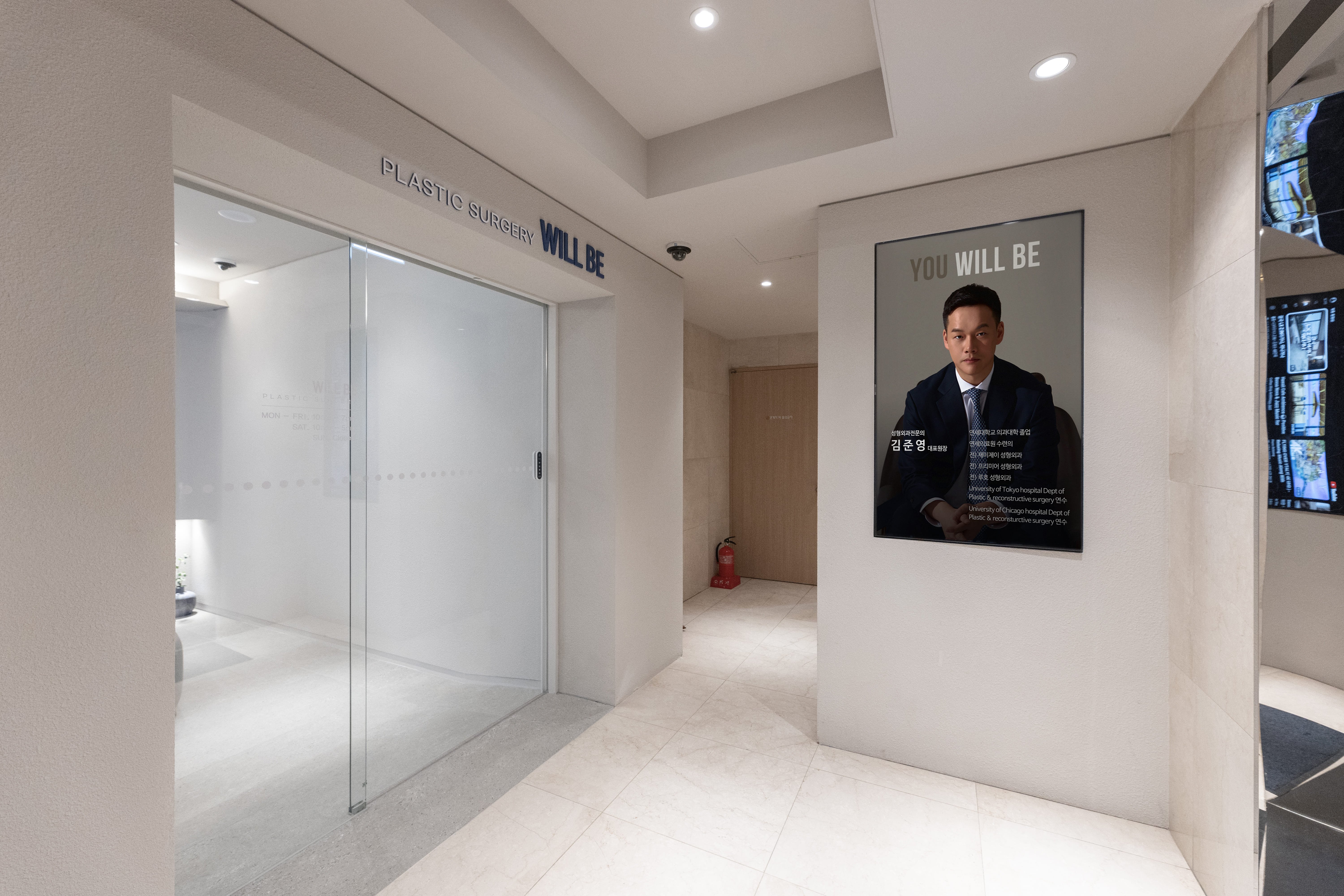
At Willbe Plastic Surgery, Dr. Kim Jun-young is a board-certified plastic surgeon with experience in eyelid surgery. Dr. Kim plans and performs procedures with attention to the individual’s eye shape and double-eyelid line. For a revision consultation, describe what has changed since the earlier surgery and which features concern you most. Be clear about whether your concern is primarily visual, functional, or both. If you have trouble closing your eyes or notice persistent discomfort, say so rather than focusing only on photographs. The attending doctor can then assess the eyelids and discuss a plan suited to your circumstances. A photograph can help explain a preference, but it cannot replace an examination.
Revision planning starts with understanding the previous operation and the eyelids as they are now. A clear account of your concerns helps guide a more useful discussion about treatment.
What a natural-looking result means to you
“Natural-looking” can mean different things to different patients. One person may prefer a subtle fold, while another may be concerned about how the eyelids look when the eyes are open or closed. Before the consultation, identify the specific features you would like to discuss. You might consider the height of the fold, differences between the eyelids, or how the eyelids fit with the rest of your face. These observations give the doctor a clearer starting point than a general request for a more natural appearance.
Bring photographs that show your eyelids before the previous surgery and at different points afterward, if you have them. Recent, clear images can also help you explain what you see in everyday life. When using an inspiration photograph, point out the particular feature you like rather than expecting another person’s eyelids to be reproduced. Eye shape, existing tissue, and the effects of earlier surgery all matter when considering a plan. Ask the doctor to explain how the proposed approach relates to your anatomy and prior procedure. A useful consultation connects your preferences with an assessment of your own eyelids.
When to seek an assessment
A consultation can be useful if you remain concerned about your eyelids after surgery or want to understand whether revision is appropriate. The timing of an assessment and any further procedure should be discussed with the attending doctor, especially if your previous operation was recent. Healing and changes in appearance can continue over time, depending on individual circumstances. Avoid choosing a surgery date solely because of an upcoming event before discussing your recovery and current condition.
Tell the doctor about symptoms as well as appearance. Difficulty closing the eyes, ongoing irritation, pain, or changes in vision deserve attention during the assessment. Sudden vision changes, severe pain, or rapidly worsening swelling after surgery warrant urgent medical attention. If you are uncertain whether a symptom requires prompt care, contact a medical professional rather than waiting for a routine cosmetic consultation.
It is also helpful to consider what you want from the appointment itself. You may be ready to discuss a procedure, or you may simply want an assessment of your options. Write down your main questions in advance so that you can use the consultation to understand the proposed plan, its limitations, and the care involved afterward. You do not need to decide on surgery before you have had that discussion.
Gangnam Clinic Famous For Natural Looking Revision Eyelid Surgery: How to Prepare
Good preparation gives the medical staff a clearer picture of your surgical history and gives you space to make an informed decision. Gather any records you can obtain from your earlier procedure, including the operation details and information about your recovery. At Willbe Plastic Surgery, consultations with an English-fluent doctor allow patients to discuss their concerns and ask questions directly. The goal is to understand the proposed treatment before making a decision, not to rush into another operation.
Gather your surgical history
Before your appointment, note when the previous surgery took place, what you were told was performed, and whether you have had any additional eyelid procedures. Bring operative notes or other relevant records if available. Photographs from before and after surgery may help show how your eyelids changed over time. If you do not have records, share what you remember and explain any uncertainty; the doctor can assess your current condition during the consultation.
Include details about your recovery, such as prolonged swelling, discomfort, or difficulties that prompted further care. Describe any treatment you have received since the original operation and whether your concerns have changed. A short written timeline can make this information easier to communicate, particularly if the previous surgery was some time ago. It can also help to distinguish a long-standing concern from a recent change. Bring a list of current medicines, supplements, allergies, and relevant medical conditions. Do not stop prescribed medication on your own; ask the attending doctor and the clinician who prescribed it for guidance. The medical staff can explain which details matter for your individual preparation.
Previous records, photographs, and a clear timeline can make a revision consultation more productive. Even without complete records, sharing what you know helps the doctor assess your current eyelids.
Questions to ask during consultation
Ask the doctor to explain the factors affecting your proposed revision, including the condition of the eyelid tissue and the changes that can reasonably be considered. You can also ask how the earlier operation influences the plan and whether there are alternatives to proceeding immediately. Discuss the expected recovery process, possible complications, and the follow-up care relevant to your case. Clear answers should help you understand both the purpose and the limits of the proposed procedure.
Practical questions matter as much as the surgical plan. Ask what preparation is needed, whether any medicines require review, and how much time you may need away from work or other commitments. Discuss the activities you should avoid during recovery and when you should contact the clinic about a concern. It is reasonable to ask how the doctor will assess your eyelids before deciding on an approach and what changes might be difficult to achieve. Ask about the full estimated cost and what it includes before making arrangements. Take notes or bring a written list of questions so you can review the answers afterward. A considered decision leaves room to weigh the information without feeling pressured to proceed.
Plan for the practical side
Once a procedure has been recommended, ask the medical staff for instructions tailored to your treatment. Depending on the plan, you may need to arrange time away from work, assistance getting home, or help with daily responsibilities. Discuss travel plans and any upcoming commitments with the doctor before scheduling. Recovery needs differ, so use the guidance given for your own procedure rather than relying on another patient’s experience.
Prepare a comfortable place to rest and keep the clinic’s contact information accessible. Follow the instructions you receive about medicines, wound care, and returning to normal activities. If you use contact lenses or eye makeup, ask when you can resume using them. These details are worth clarifying before surgery, when you have time to make arrangements and ask follow-up questions.
It can also help to make a list of responsibilities you cannot easily postpone and discuss them with the medical staff. If you are traveling for care, allow time for the appointments and follow-up recommended for your case before finalizing your itinerary. Ask how to reach the clinic if a concern arises after your procedure. Planning around the care you need is more useful than assuming every recovery follows the same schedule.

Gangnam Clinic Famous For Natural Looking Revision Eyelid Surgery: Care and Expectations
Understanding recovery is part of preparing for revision eyelid surgery. The attending doctor can explain what to expect after the proposed procedure, how to care for the area, and when to return for assessment. Willbe Plastic Surgery provides doctor-led aftercare. Changes in appearance may take time, depending on your condition and the procedure performed. Ask how your progress will be assessed and which symptoms should prompt you to contact the clinic.
Discuss the treatment plan
Revision is not a single standardized operation. The appropriate approach depends on the concern being addressed, the earlier surgery, and the condition of the eyelid tissue. During consultation, ask the doctor to describe the proposed procedure in plain language and explain why it is being considered for you. Willbe Plastic Surgery offers eyelid surgery, including revision and incisional eyelid procedures. The choice of approach should follow an individual assessment.
A useful plan should address your priorities while acknowledging the limits imposed by your anatomy and surgical history. Ask what the procedure is intended to change and what it may not change. If you are concerned about differences between your eyelids, discuss how the doctor will assess them and why some asymmetry can remain. You should also understand the possible risks associated with the proposed operation, which can include infection, scarring, changes in eyelid sensation, or difficulty closing the eyes. The doctor can explain the risks most relevant to your situation and how concerns would be managed. Informed expectations are part of preparation, not an afterthought.
A revision plan should respond to your specific concern and account for the effects of the earlier surgery. Ask what the proposed procedure can address, what its limits are, and how aftercare will be arranged.
Points to consider before treatment
Before deciding on surgery, consider the possibility that the outcome may differ from the appearance you imagined. Scarring and the condition of existing tissue can influence the options available, and no operation can promise an exact visual result. Discuss any concerns about healing, medical conditions, or previous complications with the attending doctor. If you need more time to understand the recommendation, use it; the consultation is an opportunity to ask for clarification.
Review the recovery instructions and the arrangements you have made for work, travel, and support at home. Ask how to manage routine activities and whom to contact if you have a question after surgery. It is equally important to understand the signs that require prompt attention. Severe pain, sudden changes in vision, or rapidly worsening swelling should be treated as urgent concerns. For less urgent questions about your recovery, contact the clinic using the instructions you receive. Avoid applying products or taking additional medicines for the surgical area without checking with the medical staff. Following individualized guidance helps you understand what is expected and when further assessment is needed.
Make an informed decision
After the consultation, review your notes alongside your priorities. Consider whether you understand the proposed approach, its limitations, the expected follow-up, and the practical commitments involved. If a point remains unclear, ask for an explanation before scheduling. You may also want to revisit your photographs and written questions to see whether the discussion addressed the concerns that brought you to the appointment.
Preparation does not require you to predict every detail of recovery. It does require an honest discussion of your health, previous surgery, and expectations. Willbe Plastic Surgery’s consultation process provides an opportunity to discuss these topics with an English-fluent doctor. Bring the information you have, describe your concerns plainly, and allow the medical assessment to guide the next step.
For patients considering revision, the most useful question is not simply whether another procedure can be performed. It is whether a proposed plan addresses the concern in a way that is appropriate for the current condition of the eyelids. Understanding that distinction can help you decide how to proceed and prepare for the care that follows.




Frequently Asked Questions
Q.What does Willbe Plastic Surgery offer for eyelid concerns?
A.Willbe Plastic Surgery offers plastic surgery, including eyelid revision and incisional eyelid procedures. Board-certified plastic surgeon Dr. Kim Jun-young plans and performs eyelid surgery with attention to each patient’s eye shape.
Q.Who might consider an eyelid revision consultation?
A.A person concerned about the appearance or function of the eyelids after an earlier operation can seek an assessment. The attending doctor can review the previous surgery and the current condition of the eyelids.
Q.How is a revision procedure planned?
A.Dr. Kim Jun-young assesses the concerns associated with the previous operation and considers the individual’s eye shape when planning treatment. The approach depends on the patient’s condition and surgical history.
Q.What should I bring to my consultation?
A.Bring any available records and photographs from your earlier surgery, along with a list of medicines, supplements, allergies, and relevant medical conditions. A written list of your concerns and questions can also help.
Q.Where is Willbe Plastic Surgery, and how can I contact the clinic?
A.Willbe Plastic Surgery is at 5F, Mihye Building, 590 Gangnam-daero, Gangnam-gu, Seoul, Republic of Korea. You can call +82 2-517-7700 to ask about a consultation.
Clinic Information
| Clinic | Willbe Plastic Surgery |
|---|---|
| Specialty | Plastic Surgery |
| Address | 5F, Mihye Building, 590 Gangnam-daero, Gangnam-gu, Seoul, Republic of Korea |
| Phone | +82 2-517-7700 |
| Website | https://www.willbeps.com/eng |
| Specialist | Specialist care |
 Willbe Plastic Surgery