
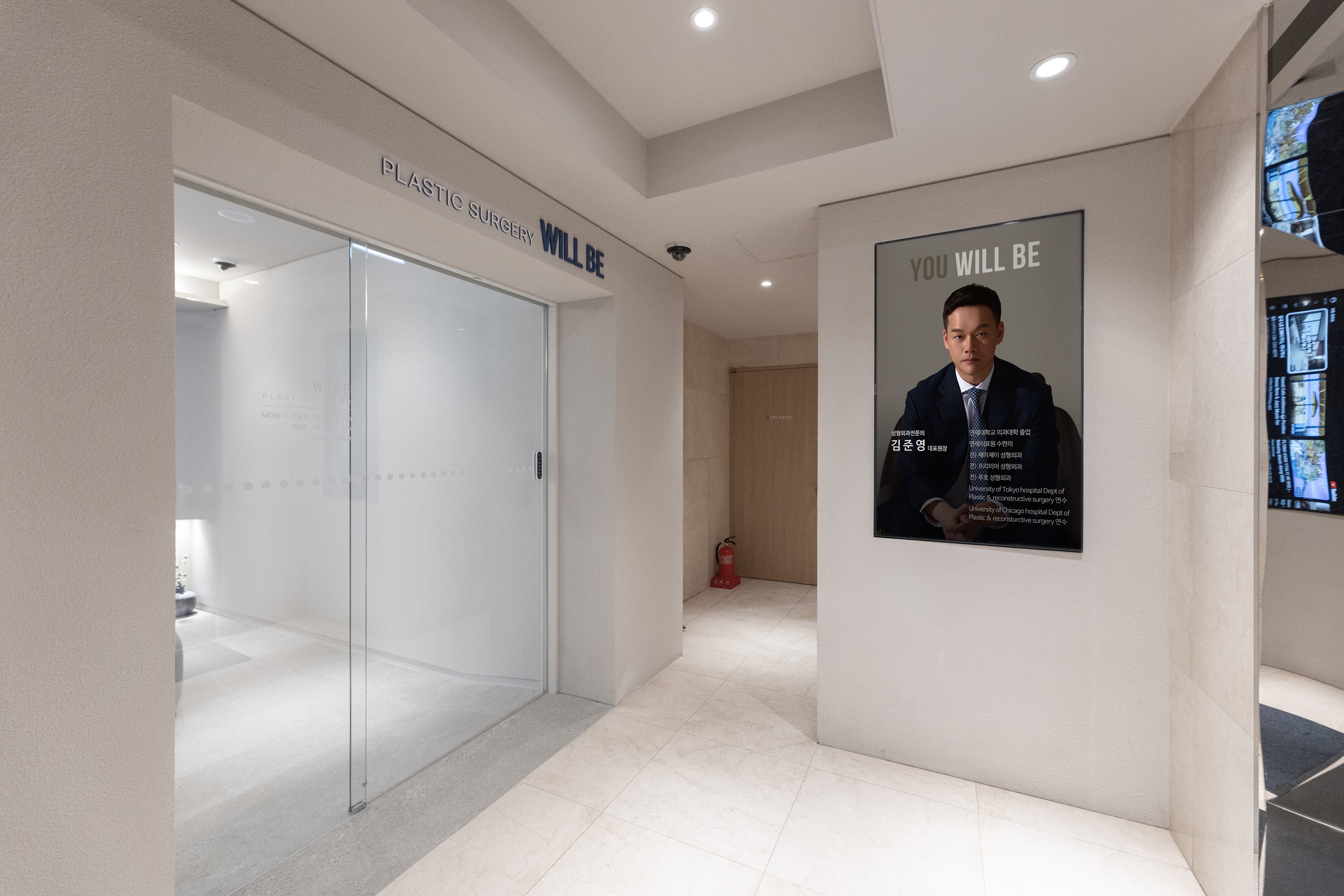
Gangnam Revision Eyelid Surgery: Start With a Careful Assessment
Revision eyelid surgery is not simply a repeat of an initial procedure. Prior surgery can leave limited tissue, so planning begins with an assessment of the current eyelid condition and the concerns arising from the earlier operation. At Willbe Plastic Surgery, Dr. Kim Jun-young is responsible for performing eye reoperations. The aim of consultation is to understand the individual eye shape and discuss a suitable plan, rather than assume that one technique fits every case. A clear account of the previous procedure and the changes you hope to address helps guide that discussion.
Why revision planning differs from first-time surgery
After an initial eyelid operation, the available tissue may be insufficient for a straightforward repeat procedure. This makes revision a more complex surgical situation. The current eyelid, the earlier result, and the specific concern all need to be considered together before an approach is discussed.
For this reason, the decision should be based on an individual assessment rather than a general description of a technique. A consultation can help distinguish what you notice from what can be addressed surgically, and provide an opportunity to discuss the proposed plan with the attending doctor. Revision surgery is planned around the eyelid as it is now, taking the previous operation into account. A realistic conversation about the goal, the available tissue, and the procedure helps set clear expectations before proceeding.
Revision eyelid surgery requires attention to the tissue and changes left by the first operation. The most useful starting point is a case-specific assessment and a direct discussion of what the surgery is intended to address.
Reviewing the previous result and your goals
Before consultation, consider which features of the current eyelid concern you and what you would like to change. Being specific can make the conversation more practical: describe the area that feels different from your goal and whether the concern relates to the eyelid fold or overall eye appearance. Bring any details you remember about the earlier procedure.
At Willbe Plastic Surgery, Dr. Kim Jun-young assesses the individual eye shape and the issues associated with the prior operation when planning a revision. Sharing your priorities does not determine the surgical method on its own; the doctor also needs to assess the eyelid condition and tissue available. Discussing both the earlier result and your current priorities helps keep the plan grounded in your actual case. Ask questions about the proposed approach and what it is intended to change so that you understand the plan before making a decision.
What to discuss during consultation
Use the consultation to explain the outcome of the first procedure, the concerns you have now, and the changes you hope to see. If you have records or details about the earlier surgery, they may help provide context for the discussion. Be open about your priorities and ask how the proposed plan relates to your eyelid condition.
It is also helpful to understand that revision surgery is considered in light of the tissue remaining after the first operation. The plan should reflect that constraint rather than rely on a standard template. Ask the attending doctor to explain the proposed procedure in clear terms, including its intended focus. Make sure the goals and the plan are understood before deciding whether to proceed. This exchange supports an informed decision and gives you a chance to raise questions specific to your situation.
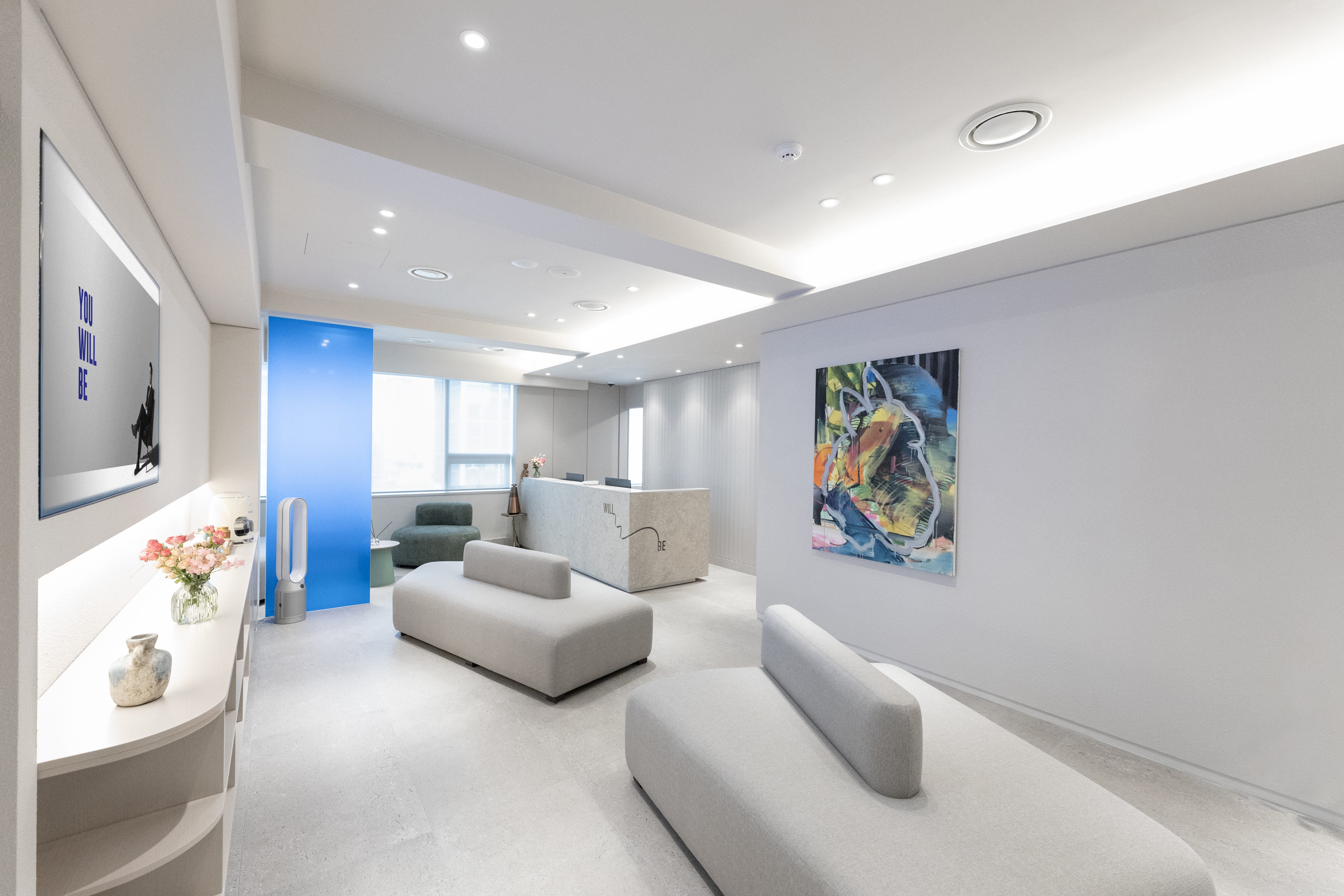
Gangnam Revision Eyelid Surgery: Understanding the Approach
The surgical approach for an eyelid revision depends on the individual case, including the existing eyelid shape and the effects of the earlier operation. Willbe Plastic Surgery offers eye reoperation as well as other eyelid procedures, but a technique used for one procedure should not be assumed to suit a revision. Dr. Kim Jun-young plans and performs eye surgery with attention to each person’s eye shape. The consultation is where the procedure and its intended role in your case should be explained.
How the proposed procedure is individualized
Revision planning begins by identifying the concern from the previous surgery and assessing the current eyelid. Since tissue may be limited after an initial operation, the available tissue is an important part of determining what approach can be considered. The proposed procedure should connect directly to the issue identified during assessment.
Dr. Kim Jun-young is described as having experience in eye plastic surgery and planning a clear eyelid fold in relation to an individual’s eye shape. For revision cases, the central point is to assess the existing condition rather than assume that the same plan will suit everyone. Ask what the surgery is designed to address and how the earlier operation affects the plan. A specific explanation of the proposed approach helps you make a more informed choice. The consultation is also the time to discuss your expectations and clarify any parts of the plan that remain unclear.
There is no single approach that can be assumed to fit every revision case. The plan needs to reflect the current eyelid, the prior surgery, and the individual’s goals, with the intended procedure explained during consultation.
How natural adhesion eyelid surgery differs
Willbe Plastic Surgery also describes a natural adhesion double-eyelid procedure. It is performed without a skin incision, using seven fine grooves to help the skin and muscle adhere and form an eyelid crease. Special sutures are passed back and forth twice and tied firmly.
This description relates to the natural adhesion procedure and should not be taken as a description of the method used for every revision. Revision surgery involves a separate assessment of the eyelid after the earlier operation, including the tissue available. During consultation, ask whether a particular technique is relevant to your case and why it is being considered. Understanding the difference between a listed procedure and your individual revision plan prevents assumptions about which method will be used. The doctor can explain the proposed approach in relation to your eye shape and surgical history.
Setting expectations and asking clear questions
Before deciding on surgery, clarify the intended change and how the proposed procedure relates to your concern. Ask what features of the current eyelid are being considered and how the previous operation affects planning. These questions help you understand the reasoning behind the recommendation.
Changes may take time depending on individual condition, so expectations should be discussed in the context of your own case. Avoid relying on a general description of a procedure as a prediction of your personal result. Request a clear explanation of the plan and consider whether it addresses the concern you came to discuss. If you need time to consider the information, use that time to review your questions and priorities before making a decision.
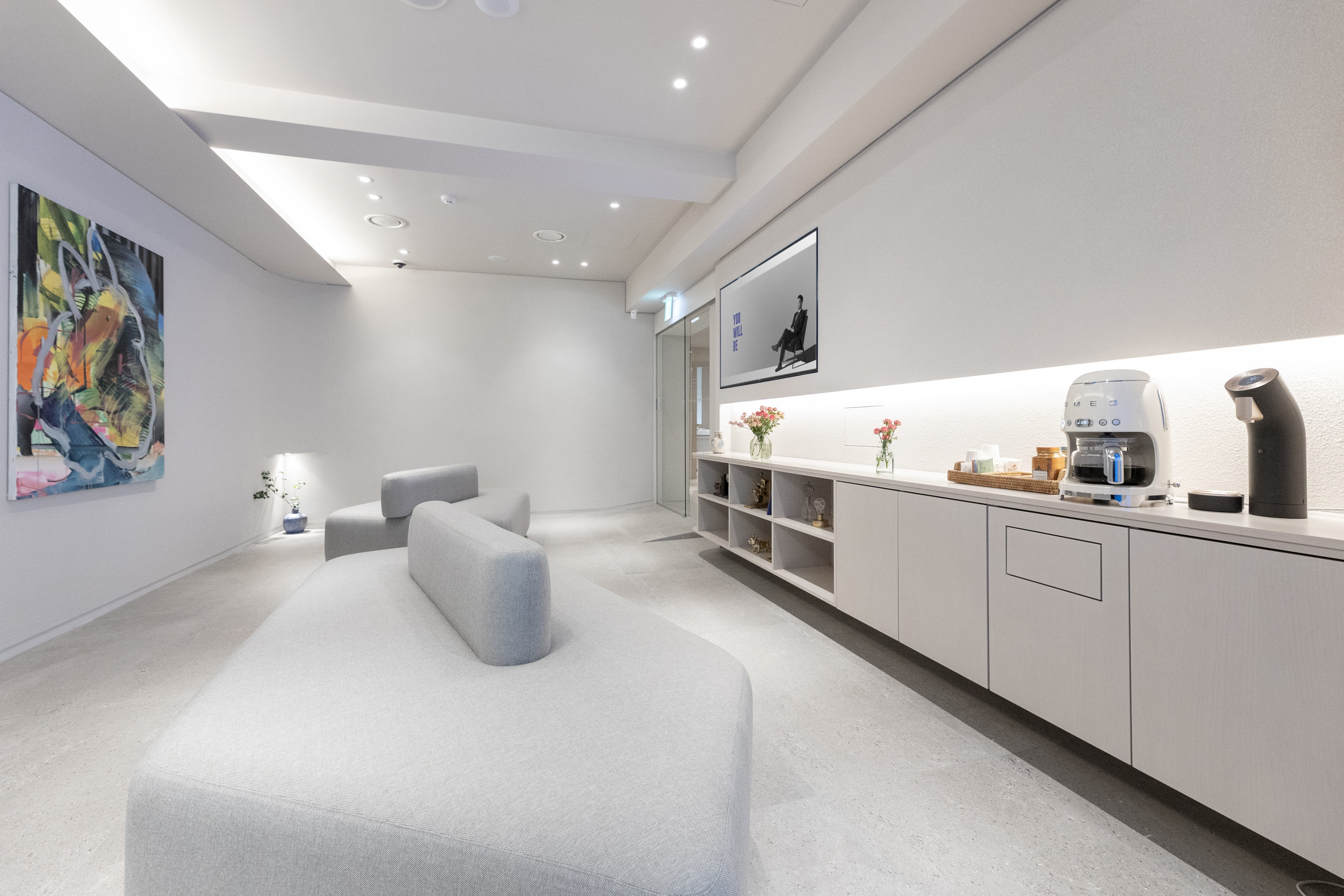
Gangnam Revision Eyelid Surgery: Preparing for Your Visit
Preparation starts with gathering relevant details about the first eyelid operation and deciding what you want to ask. A focused consultation can cover the current concern, the tissue-related considerations, and the proposed approach. Willbe Plastic Surgery is located in Gangnam-gu, Seoul. The clinic also offers other plastic surgery services, but this article focuses on eye reoperation and information relevant to discussing revision eyelid surgery. Bring your questions so the consultation can address the issues that matter to you.
Information to bring and questions to consider
Write down when the earlier procedure took place, what was done if you know, and what concerns you have now. If you have relevant records or details, bring them to help explain your surgical history. You can also note the changes you hope to discuss so that important points are not overlooked.
Useful questions include what the proposed procedure is intended to address, how the prior operation affects the plan, and what aspects of your eye shape are being considered. Ask for clarification if a term or recommendation is unclear. A concise list can keep the conversation focused without limiting the doctor’s assessment. Your consultation should give you a chance to explain your goals and understand the suggested approach before you decide. Do not assume that the method used for another eyelid procedure will be appropriate for a revision.
Preparation helps make the consultation more specific: bring what you know about the earlier operation, describe your present concerns, and ask how the proposed plan relates to them. The decision should follow an individual assessment, not an assumption about a standard technique.
Discussing the plan before deciding
Use the consultation to confirm that the concern you want to address has been understood. Ask the attending doctor to describe the proposed procedure and explain how the earlier surgery and available tissue inform the plan. This is also the right time to raise questions about the goal of the operation.
It is reasonable to take time to consider the information before deciding. Focus on whether the explanation is clear, whether the proposed approach responds to your concern, and whether your expectations have been discussed. An informed decision depends on understanding both the reason for the recommendation and its intended purpose. If you are uncertain about a point, ask for it to be explained in plain language. The consultation should support a direct and practical discussion, rather than an assumption that a particular result can be promised.
Finding and contacting Willbe Plastic Surgery
Willbe Plastic Surgery is at 5F, Mihye Building, 590 Gangnam-daero, Gangnam-gu, Seoul, Republic of Korea. For questions or consultation inquiries, call +82 2-517-7700. Contact the clinic to discuss arranging a visit and the information you should bring.
When contacting the clinic, you can explain that you are seeking information about eyelid revision and ask how to proceed with a consultation. Having a brief summary of your previous operation and current concerns ready can help you communicate your reason for visiting. Use the consultation to discuss your individual eye condition and the proposed approach directly with the medical staff. This provides a practical next step for considering revision surgery.




Frequently Asked Questions
Q.What kind of clinic is Willbe Plastic Surgery?
A.Willbe Plastic Surgery is a plastic surgery clinic offering eye reoperation and other eye procedures, including natural adhesion double-eyelid surgery.
Q.Who may consider eyelid revision?
A.People with concerns following an earlier eyelid operation may discuss revision with the medical staff. An individual assessment is important because tissue may be limited after the first procedure.
Q.How is a revision eyelid procedure planned?
A.Dr. Kim Jun-young assesses the previous result and the individual eye shape when planning eye reoperation. The approach is discussed in consultation in relation to the current eyelid condition.
Q.What should I prepare before a consultation?
A.Bring any details you have about the earlier operation and note the concerns and changes you want to discuss. These details can help make the consultation more focused.
Q.Where is Willbe Plastic Surgery, and how can I contact the clinic?
A.Willbe Plastic Surgery is at 5F, Mihye Building, 590 Gangnam-daero, Gangnam-gu, Seoul, Republic of Korea. Call +82 2-517-7700 for questions or consultation inquiries.
Clinic Information
| Clinic | Willbe Plastic Surgery |
|---|---|
| Specialty | Plastic Surgery |
| Address | 5F, Mihye Building, 590 Gangnam-daero, Gangnam-gu, Seoul, Republic of Korea |
| Phone | +82 2-517-7700 |
| Website | https://www.willbeps.com/eng |
| Specialist | Specialist care |
 Willbe Plastic Surgery